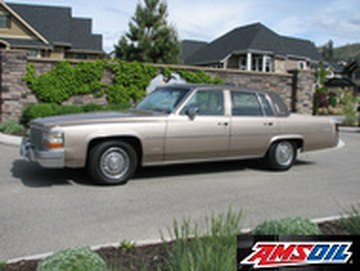
Lubrication Maintenance for the 1981 Cadillac FLEETWOOD 5.7L Diesel
Maintaining a diesel engine requires a disciplined approach to fluid management and routine inspections. For the 1981 Cadillac Fleetwood equipped with the 5.7L diesel engine, consistent attention to lubrication quality and system integrity is essential for long-term operation. Because diesel engines operate under different thermal and mechanical stresses than gasoline counterparts, following a structured maintenance plan helps ensure the vehicle remains in optimal condition.
Monitoring Fluid Integrity and Condition
One of the most effective ways to monitor the health of the 5.7L engine is through regular observation of the lubricant. The appearance and consistency of the oil can provide important clues regarding the internal state of the engine. When performing routine checks, look for any significant changes in the fluid's color or texture.
If the oil appears excessively dark or contains visible particulates, it may indicate that the service interval has been exceeded or that the filtration system is not effectively managing contaminants. Additionally, any signs of unusual odors or a change in the fluid's viscosity should be investigated. While some level of discoloration is expected as the lubricant works to manage engine components, sudden and drastic changes warrant a closer look at the vehicle's recent service history and operating conditions.
It is also useful to inspect the area surrounding the engine for any evidence of seepage. Even small amounts of fluid escaping from gaskets or seals can eventually lead to lower lubricant levels. Checking the ground beneath the vehicle after it has been parked for an extended period is a simple but effective method for identifying potential leaks early.
Systematic Inspection Priorities
As vehicles age, certain components naturally undergo more wear and tear. For a 1981 Cadillac Fleetwood, prioritizing inspections based on the current condition of the vehicle—rather than just its age—is a practical approach to maintenance. If you are stepping into ownership without a complete service history, establishing a baseline is a logical first step.
This process involves:
- Reviewing available records: Documenting what has been done in the past helps identify gaps in service.
- Visual inspections of aging materials: Examine any visible hoses or belts, if equipped, for signs of cracking, glazing, or fraying.
- Checking electrical connections: Ensure that wiring and connectors related to engine monitoring are secure and free from corrosion.
- Assessing fluid levels: Regularly verifying that all essential fluids are at their appropriate levels helps prevent unnecessary stress on the engine.
By focusing on these areas, an owner can distinguish between routine preventive maintenance and more urgent repairs. Addressing minor issues, such as a small seepage or a slightly worn belt, can often prevent more significant mechanical complications later.
Managing Engine Lubrication Requirements
The role of engine oil in a diesel application is multifaceted. Beyond simple lubrication, the fluid must manage heat and resist the buildup of deposits that can occur during the combustion process. Maintaining the correct quality of lubricant is vital for protecting the internal components of the 5.7L engine.
When selecting a replacement lubricant, it is important to consider the benefits of different formulations. For example, some high-mileage oil formulations contain additives intended for use in aging engines. These may include seal-conditioning additives that help maintain the integrity of various gaskets and seals. Furthermore, modern synthetic or synthetic-blend oils often provide enhanced thermal stability and better resistance to oxidation compared to traditional conventional oils.
Regardless of the formulation chosen, ensuring the lubricant meets the appropriate service classifications is a fundamental part of engine care. Always verify that any product you select aligns with the specific requirements for this diesel application as detailed in your vehicle's technical documentation.
Identifying Potential Warning Signs
While many maintenance tasks are proactive, being able to recognize when something requires immediate attention is critical. Several symptoms can serve as indicators that the engine or its lubrication system needs investigation. It is important to remember that these symptoms can have multiple causes and should not be used to diagnose a specific component without further professional inspection.
Watch for the following:
- Changes in lubricant consumption: If you notice you are needing to add oil more frequently than usual, this warrants an inspection of the engine's seals and internal components.
- Unusual mechanical noises: Any new or persistent sounds coming from the engine compartment should be investigated promptly.
- Warning indicators: If any dashboard lights related to engine operation illuminate, follow the vehicle's manual to determine the necessary response.
- Exhaust observations: Changes in the color or consistency of exhaust smoke can sometimes be associated with changes in how the engine is processing fuel and oil.
Early detection of these signs allows for more controlled and potentially less expensive repairs. If any unusual behavior is noted, it is best to consult a service professional to determine the exact cause.
Long-Term Ownership and Record Keeping
For owners of a classic vehicle like the 1981 Cadillac Fleetwood, maintaining a detailed service log is one of the most valuable habits they can develop. A well-kept record provides a clear history of every oil change, filter replacement, and mechanical repair performed on the 5.7L engine.
Consistent record-keeping serves several purposes. First, it helps you stay on top of maintenance schedules, ensuring that no critical service is overlooked. Second, it allows you to track the frequency of certain issues; for instance, if you notice a specific seal requires attention multiple times, your records will show that pattern clearly. Finally, having a documented history of consistent maintenance can be beneficial for the long-term value and transparency of the vehicle.
When documentation is incomplete, use the current condition of the engine to set your priorities. Rather than assuming everything is perfect or everything is failing, perform a thorough baseline inspection to understand exactly what state the vehicle is in today. This allows you to build a maintenance plan that is tailored to the actual needs of your specific Cadillac.
Practical Advice for Buying Engine Oil for the 1981 Cadillac FLEETWOOD 5.7L
When it is time to replenish your engine's lubricant, avoid making assumptions based solely on the vehicle's age or general diesel knowledge. The most reliable way to ensure you are using the correct product is to match the engine oil to the application-specific viscosity information shown above on this page.
Before finalizing your purchase, carefully check the product labels to confirm they meet the necessary specifications for a 5.7L diesel engine. You may choose between conventional, synthetic blend, or full synthetic options depending on your maintenance goals and the current condition of your engine. If you are managing an older engine with higher mileage, you might consider formulations that include seal-conditioning additives. Always prioritize oil quality and ensure the product is appropriate for the specific requirements of your 1981 Cadillac Fleetwood.